
The Art of Noticing: A Practice for Presence and Wellbeing
The Art of Noticing: A Practice for Presence, Connection and Wellbeing
The art of noticing is deceptively simple. It asks nothing more than this: slow down and pay attention. Not to the grand gestures of a life well-lived, but to the small, vivid details that most of us rush past — the flicker of light on a leaf, the particular silence of morning, the texture of earth beneath your feet. When we slow enough to notice, something shifts. We soften. We connect. We remember what it means to be alive.
Mindful travel in Australia begins here. Not with a schedule or an activity list, but with a quality of attention that transforms any landscape — from the Scenic Rim’s ancient rainforest to Kangaroo Island’s wild coast — into something that speaks directly to the senses and the soul.
What Is the Art of Noticing?
At its most fundamental, noticing means paying close, unhurried attention to the details of your immediate experience: the colours and textures of a landscape, the sounds layering through a forest, the sensation of temperature on your skin, the quality of light at different hours. It means making room for wonder in ordinary moments.
The term has been popularised by writers and naturalists — people who understood that the world offers extraordinary richness to those willing to be genuinely present. In travel, the art of noticing is the difference between passing through a place and truly arriving in it. It is the capacity that transforms a holiday into a genuine experience of somewhere: its character, its rhythm, its particular quality of being.
For those practising mindful travel in Australia, noticing is not a technique to be mastered but a habit to be cultivated — one that grows easier with practice, and richer the more attention you give it.
Why Does Noticing Matter for Your Wellbeing?
A 2010 study published in Science found that we spend nearly 47% of our waking hours thinking about something other than what we’re doing—and this “mind-wandering” correlates with lower happiness. Put plainly: we’re often everywhere but here. And that costs us. When we practice noticing, we anchor ourselves to the present moment, where life actually unfolds.
Neuroscientist Amishi Jha calls this kind of attention “mental fitness.” Her research shows that training our attention through mindful practice improves emotional resilience and reduces stress, particularly in high-pressure environments. For those living with burnout or anxiety—which is to say, most of us—this matters deeply.
The implications are profound. When we cultivate noticing as a deliberate practice, we’re not just enhancing our mood in the moment—we’re rewiring our brain’s relationship to stress itself. Over time, this strengthens our capacity to remain calm and present, even in difficult circumstances. It’s an investment in our nervous system’s long-term resilience.
How Does Noticing Become a Wellness Practice?
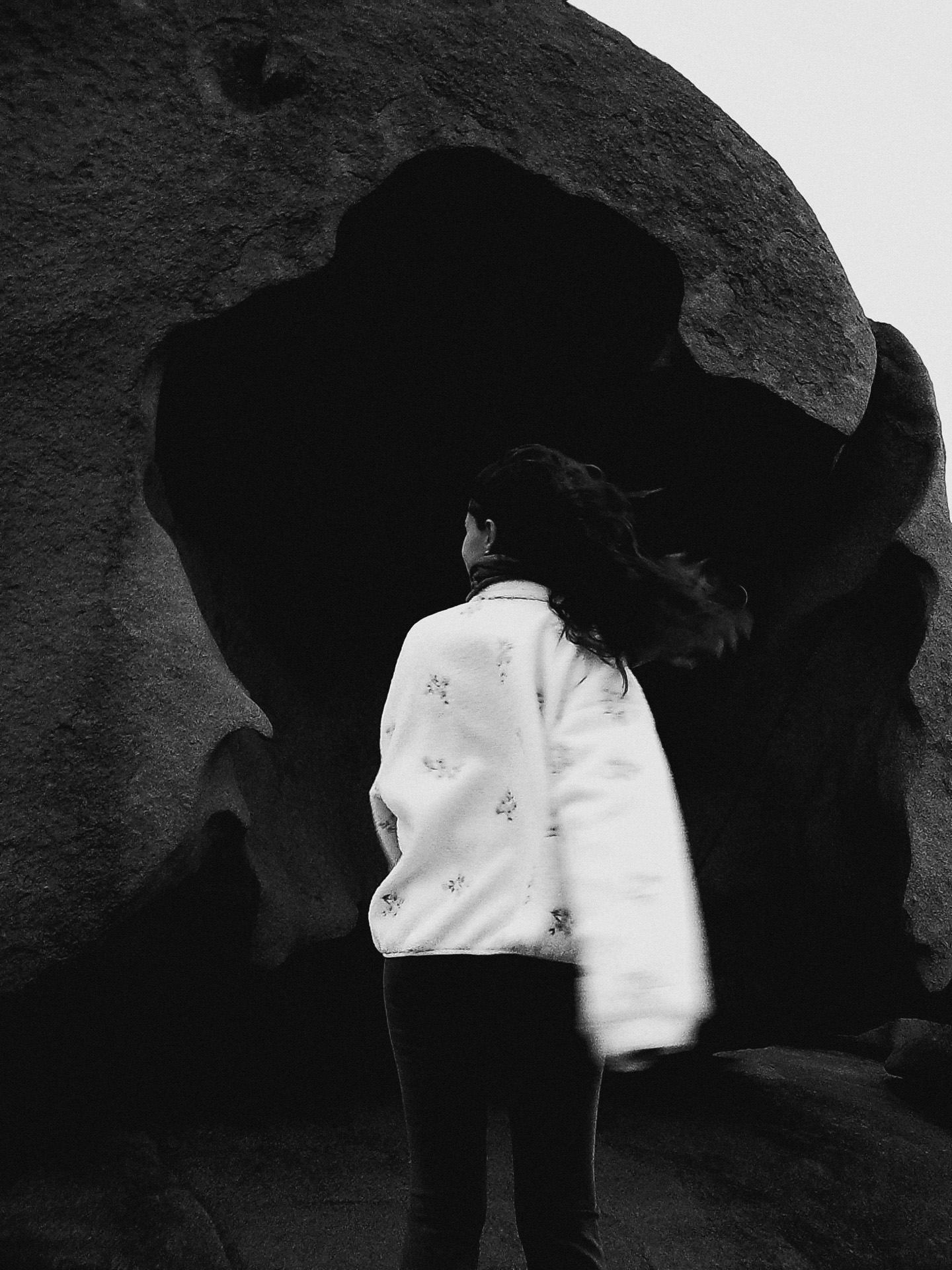
When you make a habit of tuning in to small moments of beauty or strangeness in your environment, you signal safety to your nervous system. You reintroduce aliveness and awe—both powerful antidotes to emotional fatigue. And it doesn’t require much at all.
Research in environmental psychology reveals that brief exposures to natural elements—even a potted plant or a view of sky through a window—can lower cortisol levels and restore attention. This is why a five-minute pause to watch birds at a feeder can feel genuinely restorative. Your body recognises nature as a refuge.
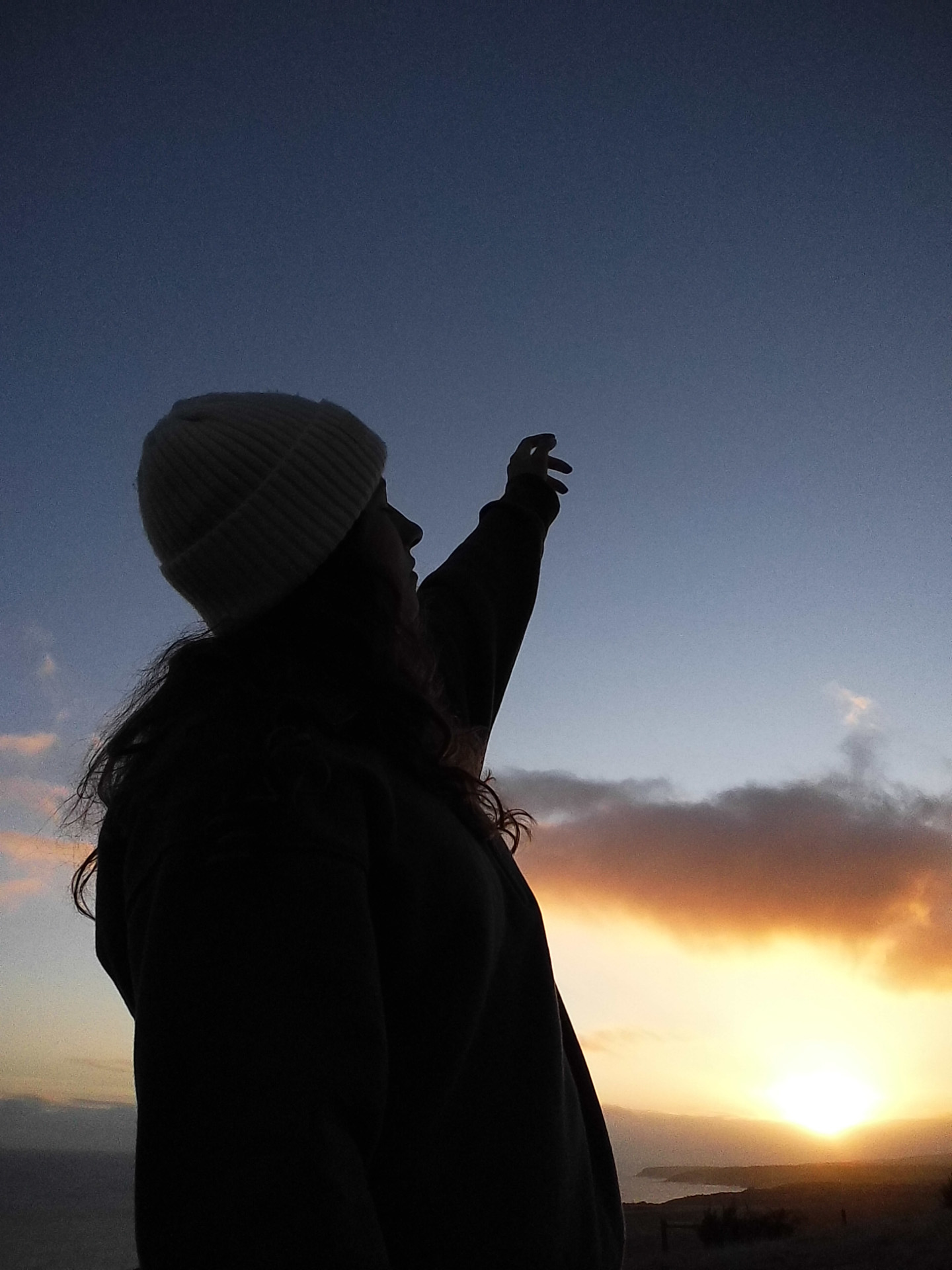
Try this now: pause. Feel your feet on the ground. Listen. Is there a distant sound? A breeze? The scent of rain or eucalyptus? That, right there, is wellness—not in a bottle, but in the noticing.
How Does Noticing Foster Connection?
In a world fragmented by screens and algorithmic isolation, shared noticing is a radical act. It asks us to look up from our devices and into the eyes of another person. To witness the same bird, taste the same food, name the colour of the sky together. When we notice together, we remember that we belong.
This is especially true when we notice together in nature. Collective attention to the wild world strengthens our sense of shared purpose and place. It reminds us that we are part of something larger than ourselves—part of an ecosystem, a community, a story that extends far beyond our individual lives.
What Does Noticing Look Like in Australian Landscapes?
To notice in Australian Country is to develop a deeper relationship with place. It’s to learn the seasonal rhythms particular to a region—when wildflowers bloom on Kangaroo Island, when the ocean reaches its warmest, which birds arrive in spring. This deepens our sense of belonging and responsibility to the land we’re moving through.
The practice of noticing also connects us to Indigenous knowledge systems, which are built on thousands of years of careful observation and relationship with Country. When we pause to notice the small details of our environment—the behaviour of animals, the flowering patterns, the stories held in landscape—we’re engaging in a form of respect and reciprocity with both place and the peoples whose knowledge has protected these lands.
How Can You Cultivate the Practice?
Start small. Here are gentle invitations to strengthen your noticing practice:
Slow down your walk. Walk without earbuds. Listen to your footsteps. Watch the play of light. Name five things you’ve never seen on this path before. Notice the colour of bark on different trees, the shape of leaves, the way morning dew sits on spider webs.
Keep a noticing journal. Each evening, jot down three things that delighted or intrigued you. A moth at the window. A stranger’s laugh. The smell of old books. What did you touch, hear, or smell that made you feel something? Over weeks, patterns emerge. You begin to understand what your senses are drawn to, and why.
Practice companion noticing. Invite a friend or partner to notice together for five minutes in silence. Just watch the world. Then share what you each saw. You’ll be surprised by what you both found and missed. This exercise reveals how much our individual perception shapes what we experience—and how enriching it can be to see through another’s eyes.
Notice the small. Set a timer for two minutes and observe something tiny: a single flower, a section of bark, a puddle’s surface. Really see it. How does your breath change when you concentrate this intensely? What details emerge that you’d normally miss?
Engage your senses intentionally. Choose one sense—hearing, or smell—and spend ten minutes exclusively using that sense. Close your eyes and listen. Notice every texture beneath your fingers. This trains your attention and deepens your embodied experience of place.
The Poetry of Presence and Nature Connection
The science—and our bodies—confirm it. Noticing grounds us. It regulates our nervous system. It boosts mood, deepens relationships, and helps us recover from life’s stressors. Most importantly, it returns us to a kind of sacred familiarity with the world—the kind we knew as children, when everything was vivid and full of story.
When we practise noticing regularly—whether in formal retreats or in the everyday moments between work and home—we begin to notice not just what’s external, but what’s shifting within us. Our impatience softens. Our need to optimise and achieve loosens its grip. We begin to value presence for its own sake, not as another achievement to check off.
This is the quiet revolution of mindful travel. It asks nothing more of you than your attention, yet it offers everything: connection, healing, a renewed sense of wonder, and a deeper relationship with the world and the people in it. It is available in every moment, on every path, in every breath.
It is not the grand events that shape the soul. It is the quiet moments we dared to notice—the warm cup, the lazy bee, the breath in our lungs—that leave the deepest mark. These are the moments that make a life worth living. And they are available to us, always, if we simply choose to look.
About the Author
Cassandra Sasso is the Founder and CEO of Wander, Australia’s leading regenerative travel brand. With a deep belief that travel can transform our relationship with country, community, and self, Cass established Wander to redefine what luxury and purpose in travel means. She writes about slow travel, sustainable design, connection to Country, and the art of living with intention.
Ready to experience it for yourself?
Explore Wander retreats and find your place in nature →
Continue Reading:
Be Part of Something Bigger
Responsible travel in Australia isn’t a niche concern — it’s a growing movement reshaping how millions of people choose to move through the world. The question is no longer just where to go,
Women Driving Transformational Change
Here’s to the trailblazers, tastemakers, and trendsetters—the women whose work is transforming how we care for our planet, our heritage, and our neighbours. Across Australia,
Changing How We Travel
If climate crisis headlines leave you overwhelmed, you are not alone. Approximately 75% of young people surveyed in The Lancet reported that the future feels frightening.