


Five Women Driving Transformational Change and Shaping Our Communities.
Women in Sustainable Tourism Australia: Five Transformational Leaders
Here's to the trailblazers, tastemakers, and trendsetters—the women whose work is transforming how we care for our planet, our heritage, and our neighbours. Across Australia, women in sustainable tourism are pioneering regenerative approaches to travel, cultural preservation, and community empowerment. Through innovative models that centre reverence for Country, these entrepreneurs embody curiosity, resilience, and a fierce commitment to transforming the travel industry. They prove that it takes vision, courage, and gumption to reshape the future. In their stories, we find the spark that ignites our own passion to make a difference.
Who Are the Women Leading Sustainable Tourism in Australia?


Rosie Sandover: Visionary in Creating Sustainable Futures
Rosie's dedication to the majestic landscapes and rich cultural heritage of Western Australia's East Kimberley region is unwavering. As Director of Kingfisher Tours and Past Director of the Board of Eco Tourism Australia, she has built an ECO and ROC certified touring company committed to eliminating single-use plastic whilst advancing sustainable Indigenous tourism.
Her ongoing partnership with the Western Australian Indigenous Tourism Corporation (WAITOC) underscores her deep commitment to local community empowerment and the preservation of authentic Indigenous cultural experiences. Rosie weaves sustainability and respect for heritage together, creating powerful waves of positive change—not only across Western Australia but in the lives of everyone she touches. She embodies the principle that regenerative travel begins with reverence for Country and the people who hold its stories.
What makes Rosie's work particularly transformative is her insistence on sharing authority and decision-making power with Indigenous communities. Rather than extractive tourism that takes cultural stories and leaves communities unchanged, her model ensures that Indigenous peoples lead their own tourism narrative and directly benefit from it. This approach requires patience, humility, and a willingness to hand over power—qualities that Rosie brings to every partnership she creates.
Ali Paulett: Agri-Champion and Storyteller of Sensory Experience
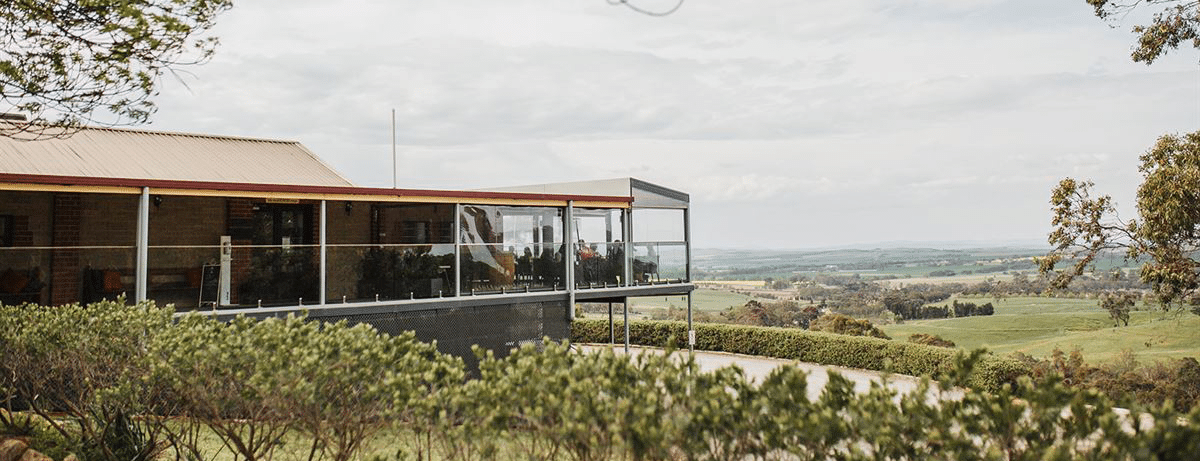
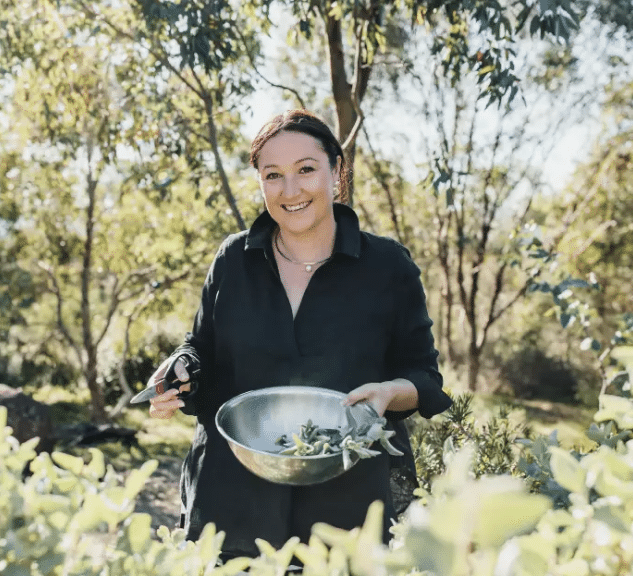
In South Australia's Clare Valley, Ali has created something extraordinary: Bush DeVine, an Indigenous Australian Native sensory bush food garden that awakens all five senses. Visitors explore over 40 varieties of native plants, many transformed into modern culinary delights at Paulett Wines' acclaimed restaurant.
This award-winning venture is a testament to Ali's commitment to bush food education and celebration. As General Manager at Paulett Wines and 2023 SA AgriFutures Rural Women's Award Winner, she demonstrates a powerful lesson in rural industry innovation. Ali's work proves that honouring traditional knowledge whilst embracing contemporary hospitality creates transformative experiences. She is reshaping how travellers understand the connection between country, culture, and cuisine.
Bush DeVine exemplifies how regenerative tourism can simultaneously celebrate heritage, support rural economies, and create memorable experiences. By involving guests directly in learning about native plants, their uses, and their ecological significance, Ali transforms tourism into education. Visitors leave not just with full bellies but with deepened respect for First Nations knowledge and renewed appreciation for Australia's unique botanical heritage.
Jo Youl: Pace-Setter and Island Entrepreneur
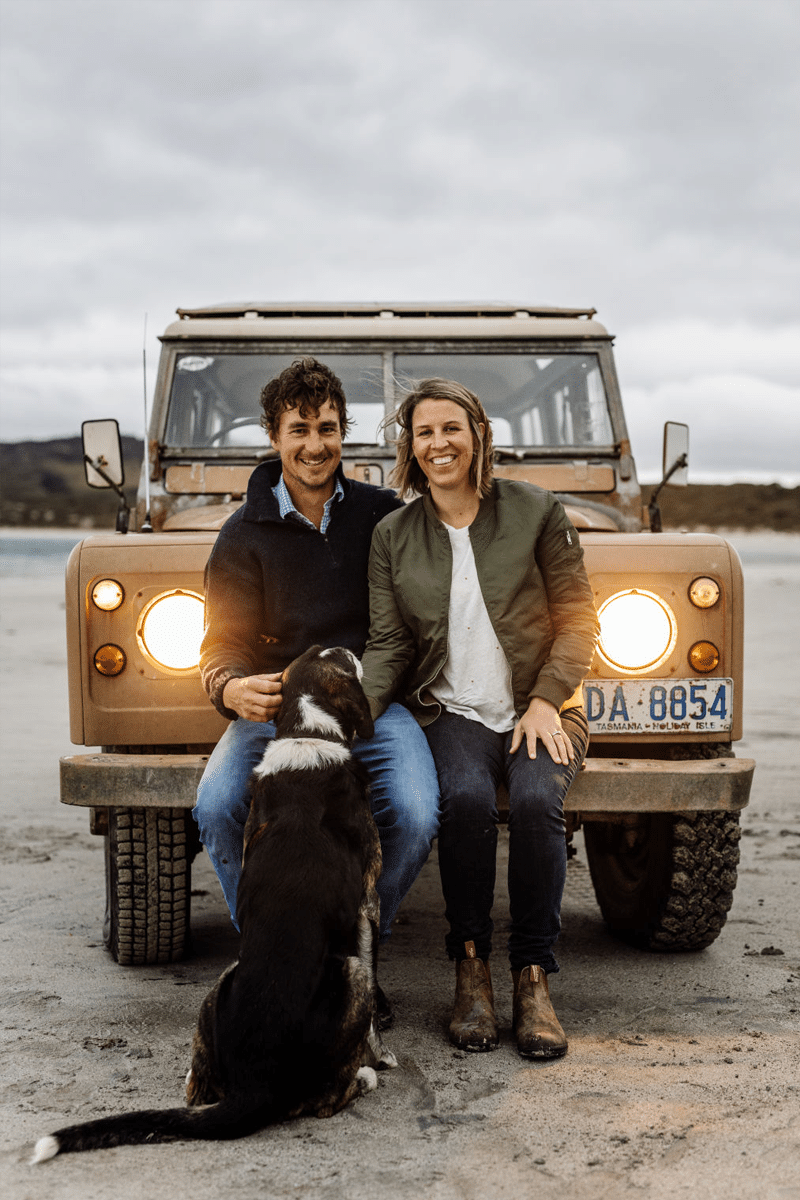
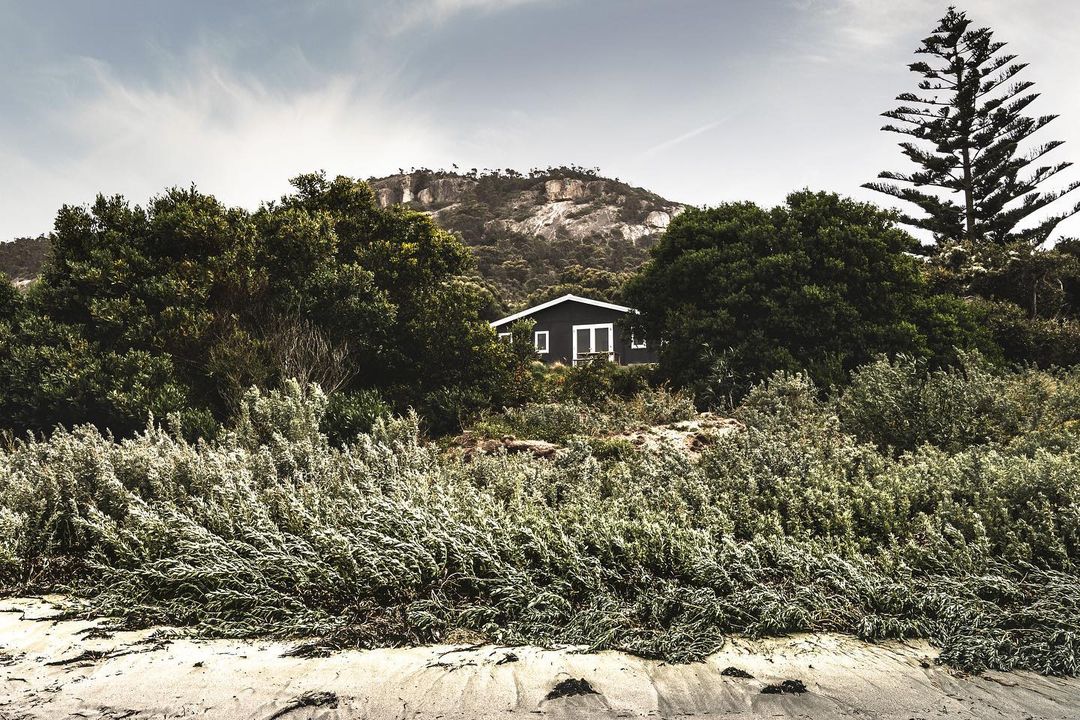
On Flinders Island in Tasmania, Jo and her family have embraced a life of intentional simplicity and deep connection. They operate Quoin cattle farm, The Flinders Wharf restaurant, and several farm stays—all grounded in the principle that slowing down reveals abundance.
Jo's story exemplifies finding joy in small rhythms and the delicate balance between business growth and environmental stewardship. By choosing to operate at a human scale, she ensures her legacy will be a thriving island ecosystem passed on to future generations. Her vision—that tourism can nourish both community and country—guides every decision. Jo reminds us that transformational travel is not about consumption, but about belonging.
Her farm-to-table restaurant philosophy extends beyond mere marketing; it reflects a genuine understanding that food connects us to place, season, and community. Guests at The Flinders Wharf don't just eat—they participate in the seasonal rhythms of island life. They meet the farmers, learn stories of the animals that fed them, and understand the delicate ecological balance Jo works to protect. This is tourism that educates visitors into becoming stewards themselves.
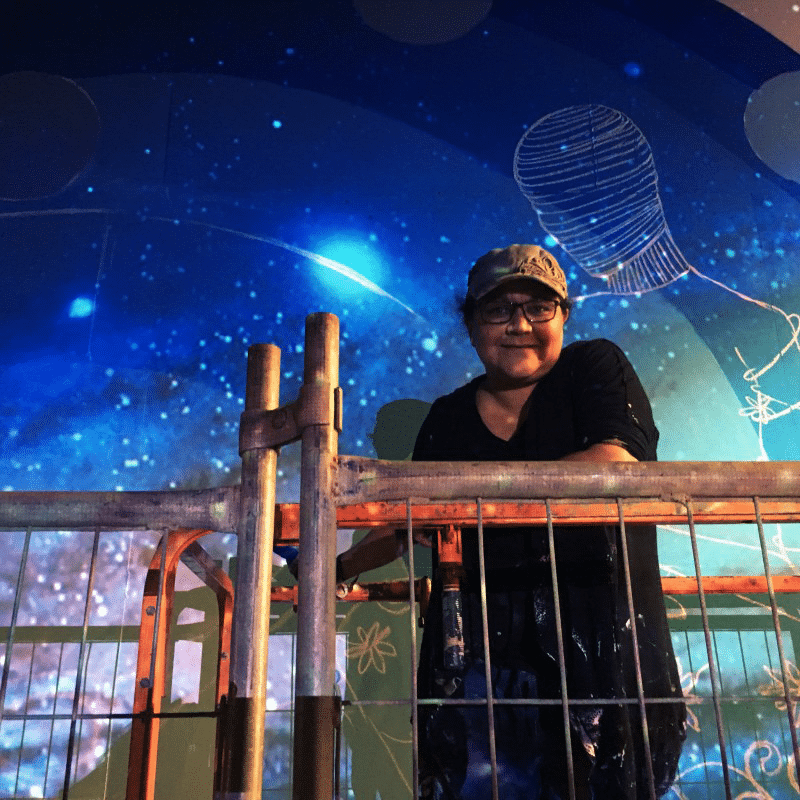
Kim Walmsley: Artist and Community Connector
A descendant of the Mununjali/Wiradjuri peoples, Kim has been a beacon of creativity and cultural education for over two decades. Her art—murals, sculptures, logo designs, and collaborative community projects—serves as far more than creative expression. It is a powerful tool for bridging cultural divides and empowering youth within First Nations communities.
As Manager, Owner, Mentor, and Visual Artist at Kimble & Co, Kim believes that art holds the transformative power to foster understanding and inspire change at every age. Her work demonstrates that creativity is activism, and that when we create space for Indigenous voices and perspectives, we all become more whole. Through her art, she is literally redrawing what our shared future can look like.
Kim's approach to sustainable tourism is perhaps more subtle than the others, yet equally profound. By creating platforms for Indigenous artists and cultural expressions, she ensures that visitors encounter authentic First Nations perspectives, rather than appropriated or diluted versions. Her work with youth demonstrates how tourism can be a pathway to economic opportunity and cultural pride, especially for communities that have historically been marginalised.

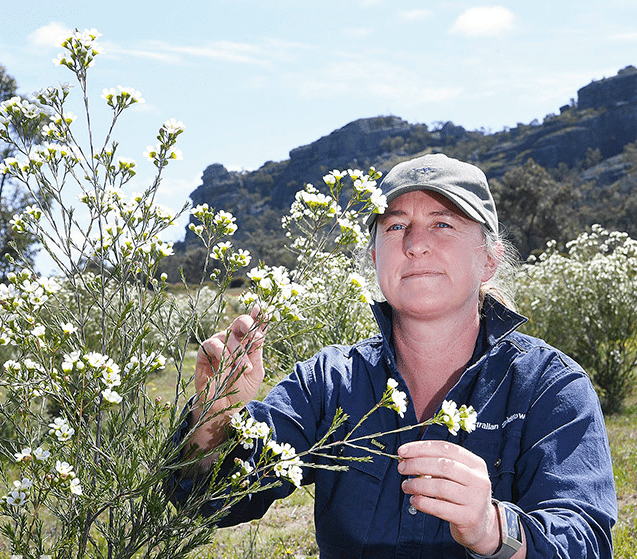
Jo Gardner: Connecting Australia's Beauty to the World
Under Jo's guidance, Wildflowers Australia has become a significant force for environmental sustainability and ethical commercial collaboration in the wildflower industry. Yet equally important is her unwavering advocacy and tireless work supporting Karen refugee families to establish themselves and flourish in regional Australia.
As Director at Wildflowers Australia, Jo stands out as a visionary leader distinguished by her compassion for families and her commitment to championing policies that improve their lives. She demonstrates that sustainable business is inseparable from community care. Her work reminds us that regenerative tourism flourishes when we invest in the wellbeing of all people.
Jo's integration of refugee support with sustainable agriculture and tourism is a powerful model of intersectional regenerative work. Rather than seeing these as separate initiatives, she recognises that true sustainability requires addressing both ecological and human wellbeing. By providing economic opportunity and cultural belonging to Karen families whilst protecting native wildflower ecosystems, she demonstrates that regeneration is fundamentally interconnected.
What These Women Teach Us About Regenerative Tourism
They have also chosen to lead with honesty about what they don't know. Rather than presuming to speak for Indigenous peoples, they partnered with them. Rather than creating tourism experiences in isolation, they invited community voice. This humility—rare in entrepreneurship—is core to their transformative impact.
Why Women's Leadership in Sustainable Tourism Matters
As travellers and community members, we can amplify their work: seek out experiences led by women, support female-owned tourism enterprises, and recognise that the regenerative travel revolution is being powered, in large part, by women's vision and determination.
When we choose to travel with women-led businesses, we're not just enjoying extraordinary experiences. We're voting for a different future—one where tourism heals rather than harms, where profits flow back to communities, where Country is honoured, and where the voices of Indigenous and marginalised peoples are centred. These five women show us what that future looks like. Now it's our turn to step into it with them.
Discover more about regenerative travel and slow tourism through our curated Wander retreats. Each experience is designed to reconnect you with Country, community, and yourself.
About the Author
Cassandra Sasso is the Founder and CEO of Wander, Australia's leading regenerative travel brand. With a deep belief that travel can transform our relationship with country, community, and self, Cass established Wander to redefine what luxury and purpose in travel means. She writes about slow travel, sustainable design, connection to Country, and the art of living with intention.
Ready to experience it for yourself?
Explore Wander retreats and find your place in nature →
Continue Reading:
Finding Time to Nurture Ourselves
In the solace of nature, women find new strength and the space to nurture themselves and reconnect with essential truths—including the profound need to reclaim our time.
The Art of Noticing
The art of noticing is deceptively simple. It asks nothing more than this: slow down and pay attention.