
The Art of Noticing //
A Mindful Practice for Wellness and Connection
There’s a peculiar kind of magic in the quiet, often-overlooked corners of life — a flickering candle, the way dappled sunlight dances on your coffee table, the satisfying crunch of gravel underfoot. These moments, easily bypassed in our haste, form the architecture of presence. And when we slow down enough to notice them, something extraordinary happens. We soften. We connect. We remember how to be human.
Welcome to the art of noticing.
This isn’t mindfulness repackaged. This is something more tactile, more playful — a practice of paying attention not to quiet the mind, but to open it up like a window on a warm spring morning. It invites us to revel in the textures of the world, to tune in to wonder, and to re-awaken the deep hum of joy that often lies buried beneath schedules and screens.
Why Noticing Matters.
To notice is to care. And to care is the root of connection — to others, to the environment, and to ourselves.
Science backs this up. Studies have shown that purposeful attention to the small details of daily life — what psychologists call “attentional control” — can significantly enhance wellbeing. In a 2010 study published in Science, Killingsworth and Gilbert found that people spend nearly 47% of their waking hours thinking about something other than what they’re doing — and that this “mind-wandering” was associated with lower levels of happiness (Killingsworth & Gilbert, 2010).
In other words: we’re often everywhere but here. And that costs us.
But when we practice noticing — really noticing — we anchor ourselves to the now. And the now, as elusive as it can be, is where life actually happens.

Noticing as a Wellness Practice
Noticing is deceptively simple. It doesn’t require yoga pants or a special mat or a 30-minute commitment. It could be five seconds spent watching leaves twitch in the wind. It could be hearing the clink of a spoon on a coffee cup. It’s about reclaiming small slices of time — not to do more, but to be more.
Neuroscientist Amishi Jha calls this kind of attentional awareness “mental fitness.” Her research shows that training attention through mindful noticing can improve emotional resilience and reduce stress, especially in high-demand environments (Jha et al., 2017).
For those living with chronic stress, anxiety, or burnout — and let’s face it, who isn’t? — this matters deeply. When you make a habit of tuning in to the micro-moments of beauty or strangeness in your environment, you signal safety to the nervous system. You reintroduce a sense of aliveness and awe, both powerful antidotes to emotional fatigue.
And it doesn’t take much.
Try it now. Pause. Feel your feet. Listen. Is there a distant sound? A breeze brushing your cheek? The scent of rain or eucalyptus? That, right there, is wellness — not in a bottle or app, but in the noticing.
Rebuilding Connection in a Disconnected World
Beyond personal wellbeing, the art of noticing fosters empathy and connection.
A 2019 study published in Nature Communications by Quentin Raffaelli and colleagues found that shared attention — when two or more people are focused on the same thing — increases social bonding and collective emotional experience. Think of how we feel in a concert crowd, or watching a sunrise with someone we love — we become more than ourselves. We become attuned.
In a world of fragmented attention and algorithmic isolation, this shared noticing is a radical act. It asks us to look up from our phones and into the eyes of another person. To watch the same bird flutter past, to taste the same warm bread, to name the color of the sky together.
When we notice together, we remember that we belong.
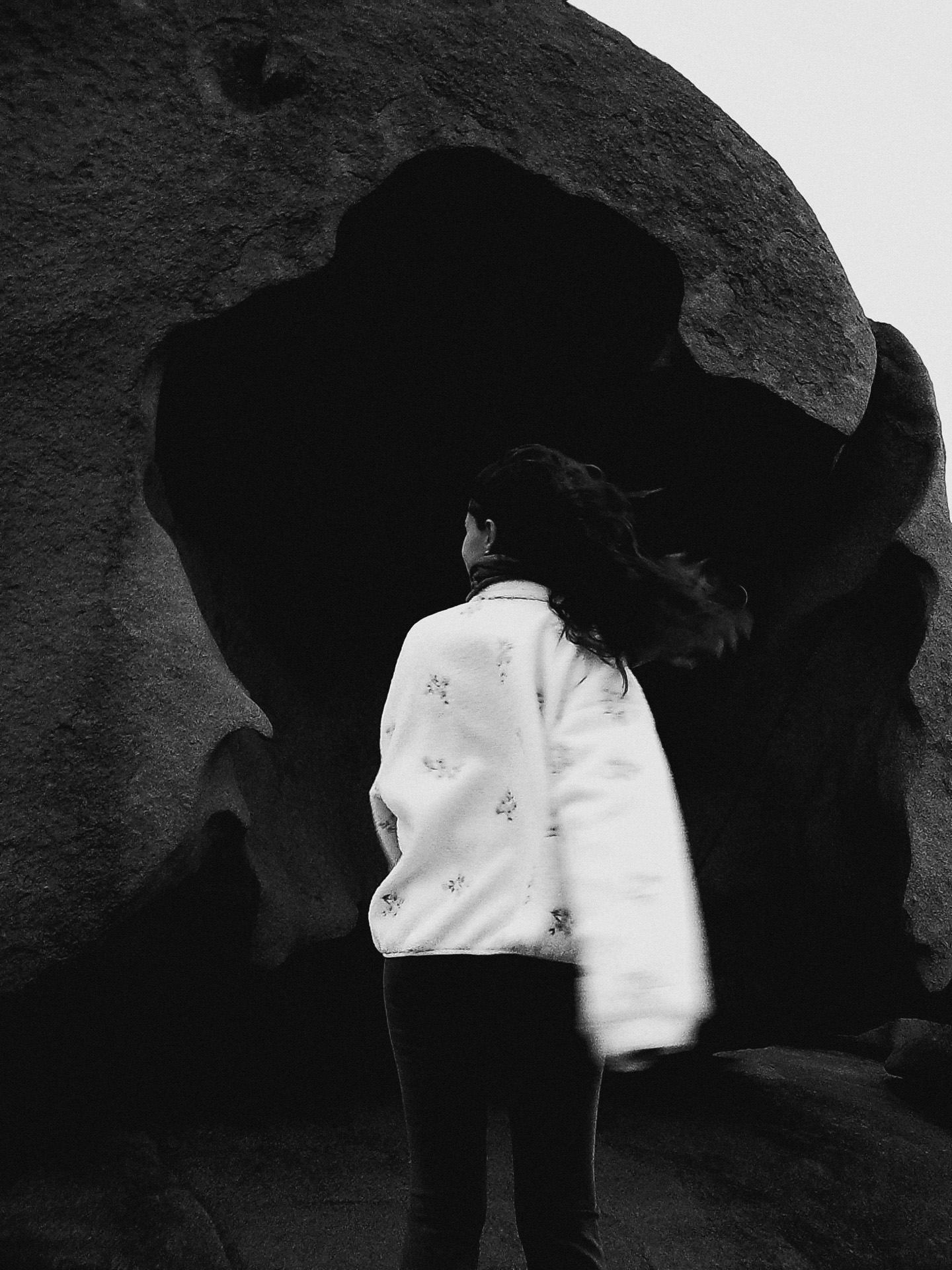
Cultivating the Practice
So how do we begin? How do we train our noticing muscles in a world that runs on speed, distraction, and noise?
Here are a few gentle invitations to get started:
Slow down your walk
Try walking without earbuds. Listen to your footsteps. Watch the play of light on the sidewalk. Name five things you’ve never seen on this path before.
Keep a “noticing journal”
Each evening, jot down three things you noticed that delighted or intrigued you. A moth at the window. A stranger’s laugh. The smell of old books. What did you touch, hear, or smell that made you feel something? The scratch of wool. The hush of morning fog. The snap of mint between your fingers.
Practice companion noticing
Invite a friend or partner to notice things with you for five minutes. No talking. Just watch the world together. Then share what you each saw. You’ll be surprised by what you missed — and by what they found.
The Poetry of Presence
At its core, the art of noticing is an invitation back to aliveness. It reminds us that we are not just floating heads full of thoughts, but sensory creatures with aching hearts and curious minds. It says, “Slow down. Pay attention. Something beautiful is happening here.”
It’s easy to dismiss this as romanticism. But the science — and our own bodies — say otherwise. Noticing grounds us. It regulates our nervous system. It boosts mood, deepens relationships, and helps us recover from life’s inevitable stressors.
Most importantly, it returns us to a kind of sacred familiarity with the world. The kind we knew as children, when everything was vivid and strange and full of story.
In the end, it’s not the grand events or accolades that shape the soul. It’s the quiet moments we dared to notice — the warm mug, the lazy bee, the breath in our lungs — that leave the deepest imprint.
So start now. Look up. Look around.
Let the world woo you again.

Keep Wandering.

Winter on Kangaroo Island
Savour in the stillness //Winter on Kangaroo Island casts a spell of captivating beauty, beckoning you to immerse yourself in its rugged landscapes and embrace the allure of the season.As the island's lush greenery intertwines with crisp winter air, a sense of...

Finding time to nurture ourselves
Reclaiming our time // Finding new ways to nurture ourselvesIn the solace of nature, women can find new strength and time to nurture themselves and reconnect with several important truths—including the need to reclaim our time. In a world where “Girl Boss” culture...

Changing how we travel
Changing how we travel // Make your stay a force for good. If you are feeling overwhelmed by climate crisis headlines, you are not alone. Approximately 75% of young respondents in a survey published in The Lancet last year said the future is frightening, and almost...