
Snorkelling Kangaroo Island: Marine Life, Beaches & Coastal Experiences
Snorkelling Kangaroo Island: Marine Life, Rock Pools and Coastal Wonder
In our crowded world, a rare gift awaits: the possibility of claiming an entire beach entirely to yourself. Kangaroo Island offers this abundance. Sheltered rock pools become intimate worlds unto themselves, home to countless species thriving in the meeting place between sheltered waters and the open sea. Yet the true magic of Kangaroo Island snorkelling begins when you slip beneath the surface. Here, gravity loses its grip. Here, you encounter a realm of extraordinary beauty—fish, sponges, crabs, seahorses, rays, and more. Snorkelling Kangaroo Island is an invitation to shed your weight and float weightless through mystery.
Before venturing out, check local conditions carefully. The island’s coastline can be rough and weather changes swiftly. But on calm days, the rewards are profound: an underwater landscape as alive and diverse as any terrestrial forest—and far less explored.
Western River Cove: Accessibility Meets Underwater Wonder
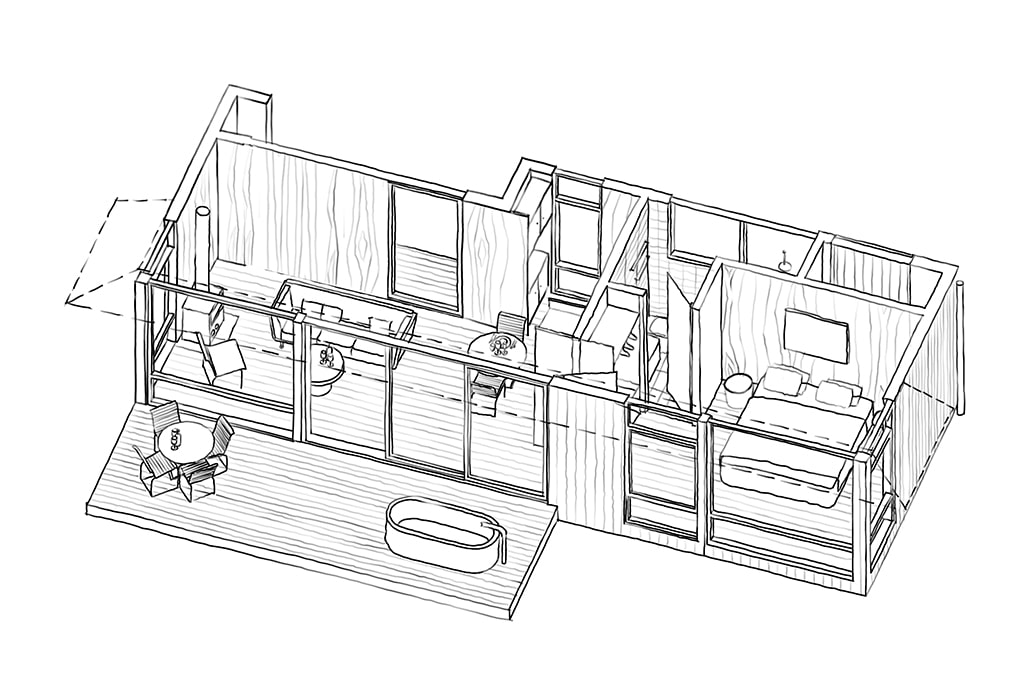
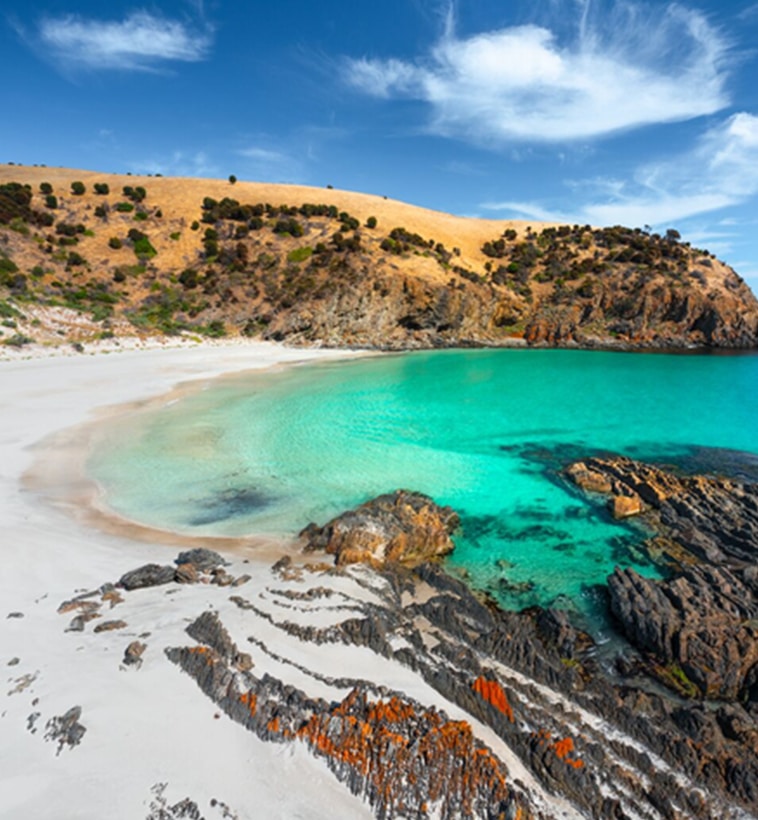
Western River Cove lives up to its name: a hidden gem far from crowds, just a short drive from your WanderPod. Red dirt roads lead to the car park, from where a footbridge carries you over to pristine shoreline. For the finest snorkelling, venture to the western headland where you may find yourself swimming alongside curious seals.
The cove offers several advantages: easy access on Kangaroo Island’s north coast, excellent shelter, and a natural setting ideal for a lunch break between explorations. The waters here are home to Blue Gropers—large, curious fish with vibrant blues and yellows—alongside Horseshoe Leather Jackets and Banded Seaperch that dart between rocks. You’ll also encounter smaller creatures: delicate sea urchins in shades of purple and red, starfish clinging to rock faces, and occasionally seahorses camouflaged among seagrass. The colours are vivid—turquoise water, emerald kelp, brilliantly hued fish—creating an underwater garden that feels dreamlike. Good visibility and natural protection make this an excellent choice for those seeking their first underwater encounter with Kangaroo Island’s marine world.
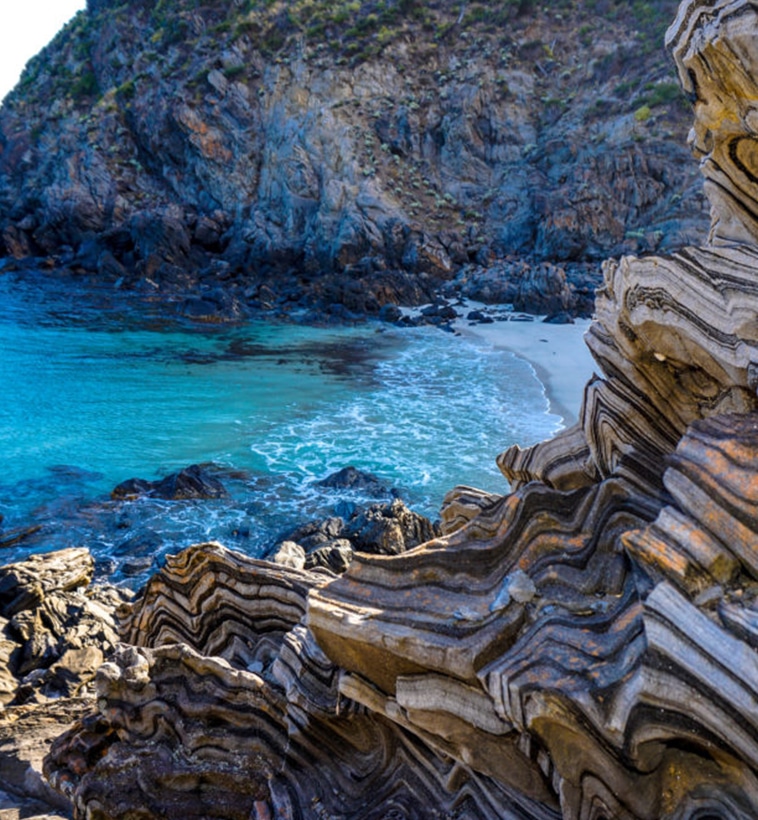
Harvey’s Return: Adventure and Raw Geology
The challenge required to reach Harvey’s Return keeps most visitors away, but those who venture here discover something rare: genuine solitude beneath the surface, where massive fish graze among ancient rocks as if they own the world—which, in a sense, they do. The walk is steep and sometimes slippery, with several short scrambles over rocks—assess conditions carefully and ensure beach access is open before heading out. Wear water shoes with grip, and plan your return journey before the tide shifts. But if adventure calls, this place will change how you see Kangaroo Island.
The formations here are dramatic: towering rock walls dropping into deep water, caverns and overhangs that suggest even deeper mysteries beyond. The geological story written in these rocks spans millions of years. Swimming here, you are moving through deep time.
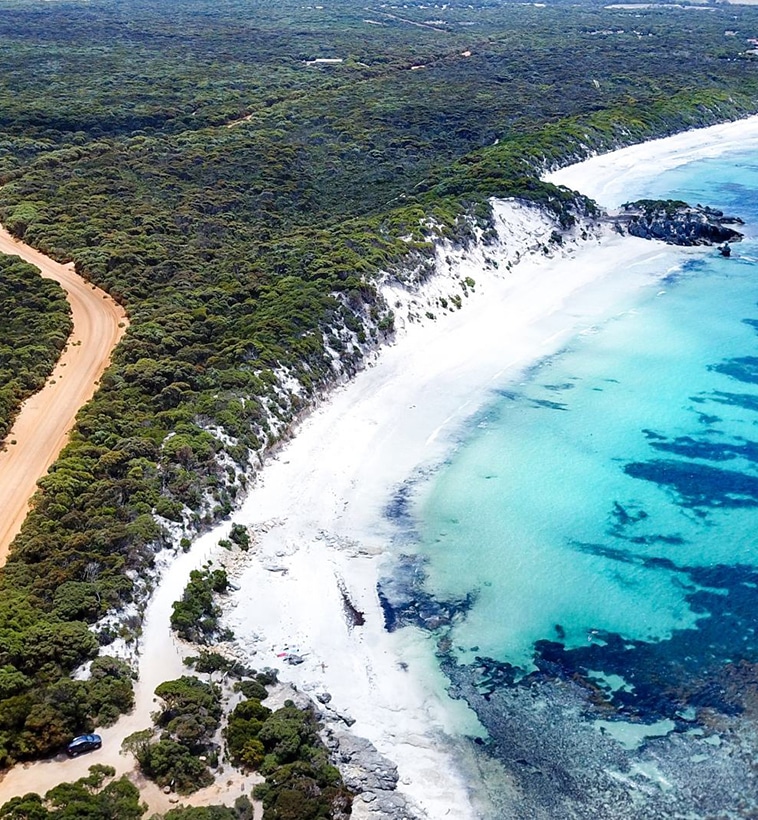
Vivonne Bay: The Jewel of Snorkelling Spots
Brilliant azure rock pools invite you to laze all day, whilst the waters below support dense seagrass beds and rocky outcrops that create perfect habitat for marine creatures. The visibility is typically excellent, and the variety of depth means you can explore at whatever level comforts you.
Vivonne can be prone to swell and rips, so before arriving, check conditions carefully on the Bureau of Meteorology’s website or with local dive operators. The long stretches of white sand and easy access make this an ideal introduction to Kangaroo Island snorkelling for those new to the island or to underwater exploration. There are also excellent restaurants and shops nearby, making this a perfect destination for a full day exploring both above and below the water.
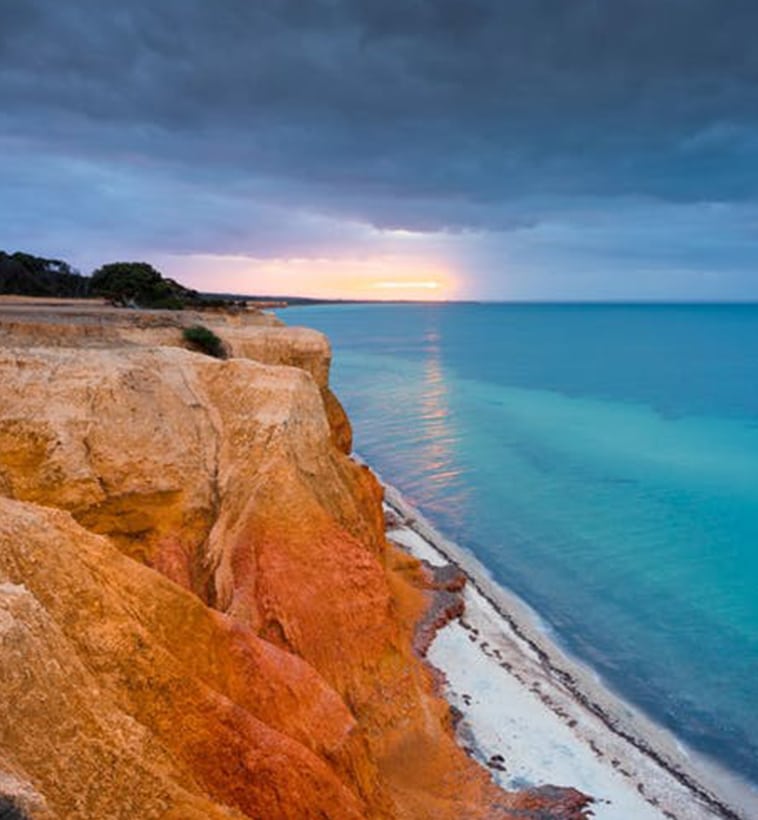
Red Banks: Colour and Light
The trail to the beach is sometimes steep and occasionally slippery, so move with care. Wear sturdy footwear and consider trekking poles if you have knee concerns. The reward is absolute: a landscape where geology and marine life create something unlike anywhere else on Kangaroo Island.
Red Banks is rightly kept as a local secret. The marine life here is surprisingly diverse given the shallow waters: Port Jackson sharks (completely harmless), rays, cuttlefish (masters of colour-change and camouflage), and innumerable small reef fish. For those with more experience, deeper reefs further out offer additional exploration. The cliffs themselves frame the water, creating a landscape of raw, untamed beauty that speaks to something primal in us.
What Should Every Snorkeller Know?
Bring a rash vest or board shorts even in summer—the water temperature is cool and sun protection matters. Pack reef-safe sunscreen (conventional sunscreen damages coral ecosystems). Wear booties or water shoes with grip, especially on rocky entries. Bring a snorkel mesh bag so you can rinse and dry your gear between sessions.
Snorkelling is not about conquest. It is about witnessing. About floating weightless in another creature’s home. About remembering that we share this earth with beings of extraordinary beauty, and that our presence underwater carries responsibility.
What Lives Beneath Kangaroo Island’s Waters?
The kelp forests, in particular, are remarkable. Bull kelp creates underwater forests where fish shelter, crustaceans hide, and small ecosystems flourish in every crevice. Being among these forests while snorkelling creates an almost transcendent feeling—as if you’ve entered an alien world filled with beauty and strangeness.
The Gift of Perspective
This perspective is medicine. It humbles us. It reminds us that we are guests. It awakens in us a fierce desire to protect what we have witnessed—not because it benefits us, but because it deserves protection. Because its beauty demands reverence.
Many people who snorkel on Kangaroo Island report lasting changes in their relationship with the natural world. They return home more conscious of ocean health, more concerned about plastic pollution, more committed to protecting coastal ecosystems. One encounter with the underwater world can shift entire life trajectories.
How Should You Prepare for Snorkelling on Kangaroo Island?
Start by checking conditions with your Wander guide or local dive operators. Respect closures and advisories—they exist because conditions are genuinely dangerous. Begin at safer spots like Vivonne Bay or Western River Cove before adventuring to more challenging locations. Go with a buddy, never alone.
Bring your own snorkel gear if you have it, or rent locally. Even a GoPro or underwater camera can extend the magic of the experience, allowing you to relive and share your encounters.
What Marine Life Can You See Snorkelling on Kangaroo Island?
Snorkelling as Spiritual Practice
About the Author
Cassandra Sasso is the Founder and CEO of Wander, Australia’s leading regenerative travel brand. With a deep belief that travel can transform our relationship with country, community, and self, Cass established Wander to redefine what luxury and purpose in travel means. She writes about slow travel, sustainable design, connection to Country, and the art of living with intention.
Ready to experience Kangaroo Island for yourself?
Explore Wander on Kangaroo Island and find your place in nature →
Continue Reading:
Wellness Retreat Kangaroo Island
A wellness retreat on Kangaroo Island offers something increasingly rare: genuine, unhurried time in a living landscape, far from the rhythms of productivity and digital connection.
Winter on Kangaroo Island
As the island’s lush greenery intertwines with crisp winter air, a sense of tranquillity and introspection fills the air—this time of year invites us to reflect on our own journey, as the ever-changing weather mirrors